Building Plan Approval in Chennai (2026): CMDA, DTCP, Process, Cost & Documents
Looking to hire an expert to handle the entire approval process for you? See our Building Plan Approval service in Chennai.If you are planning to build a house in Chennai, you already know the excitement — choosing the plot, finalising the design, imagining the finished home. But before a single brick is laid, there is one critical legal step that most first-time builders either ignore or badly underestimate: building plan approval.
Thousands of homeowners in Chennai lose time, money, and sometimes their entire structure because they start construction without proper planning permission. Unauthorised buildings face demolition notices, sealing orders, and outright loan rejection from banks. The good news? The process is completely manageable — if you know exactly what to do and where to go.
Whether you are building in Porur, Tambaram, Avadi, OMR, or within the Chennai corporation limits, this guide covers everything you need to know about building plan approval in Chennai in 2026 — including CMDA vs DTCP jurisdiction, step-by-step process, exact fees, documents required, common mistakes, and realistic timelines.
What is Building Plan Approval in Chennai?
Building plan approval is the formal permission confirming that your proposed construction complies with the city's development regulations, zoning rules, and building bylaws. In Chennai, this is governed by the Tamil Nadu Combined Development and Building Rules (TNCDBR), 2019.
You need building plan approval in Chennai when:
- Building a new residential house from scratch on a plot
- Adding additional floors to an existing building
- Constructing a commercial building or mixed-use development
- Applying for a home loan — banks mandate plan approval before disbursing construction finance
- Applying for TNEB electricity connection and CMWSSB water connection after construction
Minor internal works like interior renovations, modular kitchen installations, or painting do not require government approval.
CMDA vs DTCP: Which Authority Approves Your Building Plan?
This is one of the most confusing parts for Chennai homeowners — and getting it wrong means your application lands at the wrong office, wasting weeks or months. Here is the clear breakdown:
| Authority | Full Form | Jurisdiction |
|---|---|---|
| CMDA | Chennai Metropolitan Development Authority | Areas within the Chennai Metropolitan Area (CMA) |
| DTCP | Directorate of Town and Country Planning | Areas outside CMA within Tamil Nadu |
| GCC | Greater Chennai Corporation | Chennai city proper (ordinary buildings) |
| Local Body | Municipality / Town Panchayat | Suburban local body limits within CMA |
Chennai Metropolitan Area
Covers Chennai city and surrounding regions — Tambaram, Avadi, Kancheepuram, Thiruvallur, and parts of Chengalpet within the CMA boundary. Ordinary buildings (up to G+3) go to GCC or local body. Special buildings (G+4 and above, or height above 15m) go directly to CMDA.
Outside CMA Boundary
Covers towns and panchayats outside the CMA — parts of Kanchipuram district, Chengalpet outskirts, ECR beyond CMA limits. Approval goes through DTCP via the local Planning Authority. Check your plot's zone before filing any application.
Step-by-Step Building Plan Approval Process in Chennai (2026)
Chennai has progressively moved toward online submission via the TNOBPAS portal, though physical follow-ups at the authority office are still often needed for inspections and corrections.
Hire a Licensed Architect or Surveyor
All building plans must be signed and certified by a Council of Architecture (CoA)-registered architect or a licensed surveyor. This is non-negotiable — unsigned plans are rejected outright. Hire your architect before doing anything else.
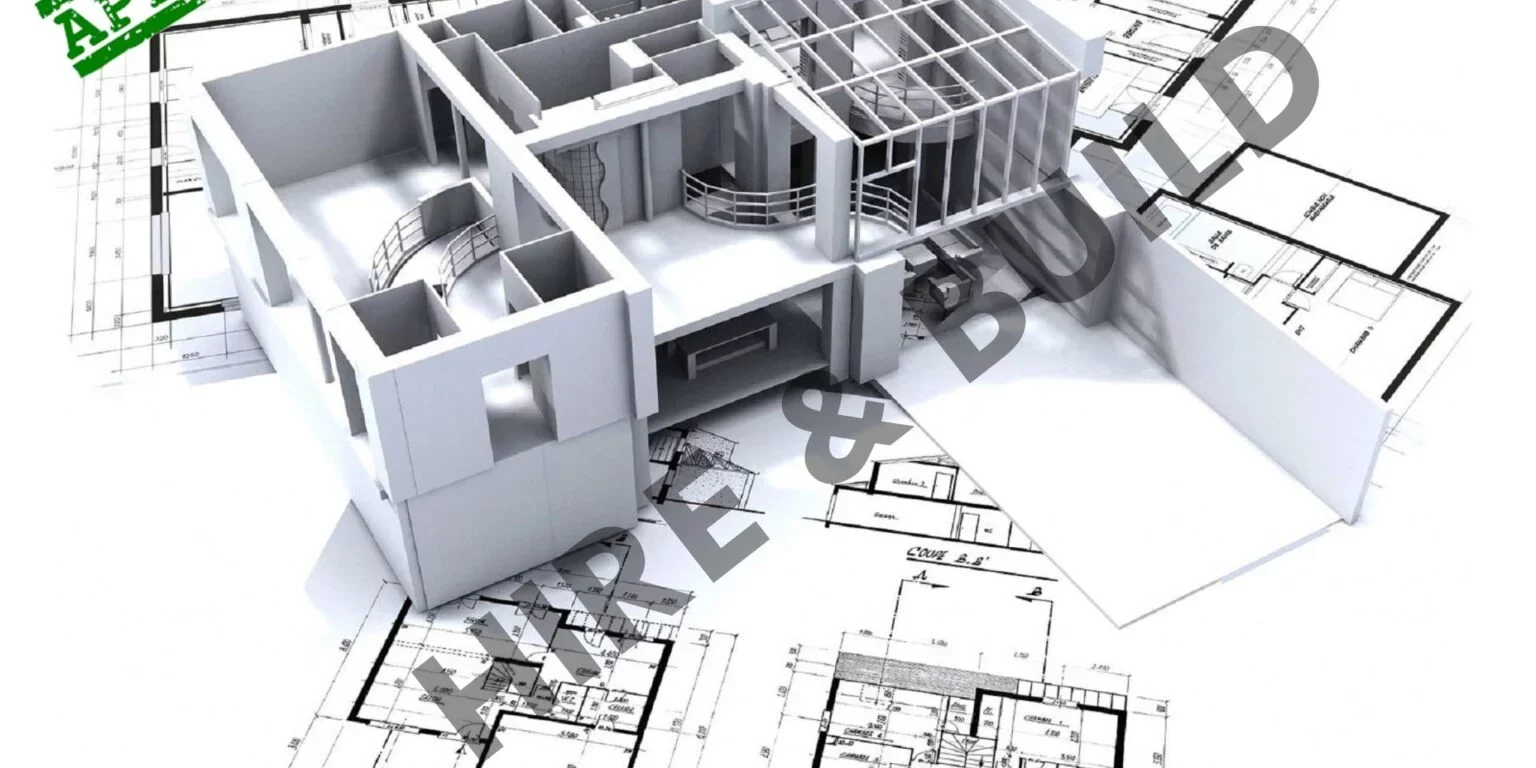
Prepare Your Building Plans
Your architect will prepare the drawings conforming to CMDA/TNCDBR norms:
- Site plan showing plot dimensions and road access
- Floor plans for all levels with room labels and dimensions
- Elevation and section drawings (minimum 2 sides)
- Key plan / location map showing site relative to landmarks
- Setback and FSI compliance drawings
Verify FSI, Setbacks & Zoning Compliance
This is where most plans face rejection. Key compliance requirements in 2026:
| Parameter | Standard Rule (Chennai) |
|---|---|
| FSI (Floor Space Index) | 1.5 to 2.0 for residential (varies by road width and zone) |
| Front setback | Min. 3m for plots above 200 sq.m; 1.5m for smaller plots |
| Side and rear setback | 1m to 3m depending on plot size |
| Ground coverage | Max. 60–75% depending on zone |
| Parking requirement | 1 car park per unit for buildings above G+1 |
Submit Application Online via TNOBPAS
Log on to the Tamil Nadu Online Building Plan Approval System (TNOBPAS). Upload all required documents, pay the initial application fee, and submit to the concerned authority — GCC, CMDA, or your local body depending on your zone.
Site Inspection
A Building Plan Inspector or Town Planning Officer from the concerned local body will physically inspect your site to verify the submitted details. Full cooperation at this stage speeds up the process significantly.
Scrutiny and Approval
The submitted plans are checked for compliance with development regulations, Master Plan zoning, and FSI norms. If corrections are needed, a deficiency notice is issued — your architect revises and resubmits. Expect one or two rounds of this for complex applications.
Receive Approved Plan + Construction Permit
Once cleared, you receive the digitally signed approved building plan and the construction permit. Do not begin any construction before this step. This document is also what your bank needs to release your home loan.
Documents Required for Building Plan Approval in Chennai
Submit five copies of all documents along with your application. Missing even one document is the most common cause of application rejection at the first screening.
Land & Ownership Documents
- Sale deed / Lease deed (registered copy)
- Patta (land revenue record) in your name
- Encumbrance Certificate (EC) — minimum 30 years
- Link documents establishing title chain
- Latest property tax receipt for the plot
Building Plans (Signed by Licensed Architect)
- Detailed site plan with plot dimensions and setbacks clearly marked
- Floor plans of all floors with room labels and dimensions
- Elevation drawings (minimum 2 sides) and sectional drawings
- Key plan / location map showing site relative to landmarks
- Structural drawings (mandatory for G+1 and above)
Application & Compliance Documents
- Filled Form B (for residential and commercial construction)
- Architect's declaration form and current CoA registration proof
- NOC from Fire Department (for special and multi-storeyed buildings)
- NOC from TNPCB (for commercial and industrial projects)
- Rainwater harvesting plan (mandatory per CMWSSB rules in Chennai)
- Solar panel declaration (mandatory for buildings above 1,000 sq.ft — in effect since 2021)
Building Plan Approval Cost in Chennai (2026)
Approval fees are calculated based on plot area, built-up area, FSI used, and the number of kitchens — each kitchen counts as one dwelling unit for fee calculation purposes.
| Plot Area | Built-up Area | No. of Kitchens | Approximate Fee |
|---|---|---|---|
| 600 sq.ft | 900 sq.ft | 1 | ₹15,000 – ₹25,000 |
| 1,000 sq.ft | 1,500–2,000 sq.ft | 1 | ₹40,000 – ₹70,000 |
| 1,500 sq.ft | 2,500–3,000 sq.ft | 1–2 | ₹70,000 – ₹1,10,000 |
| 2,400 sq.ft+ | 3,600–4,800 sq.ft | 2–3 | ₹1,10,000 – ₹2,00,000+ |
Not sure what your home will cost to build after approval?
Get an instant estimate based on your plot size, location, and specification level.How Long Does Building Plan Approval Take in Chennai?
| Building Type | Typical Approval Time |
|---|---|
| Ordinary residential (GCC / local body) | 30–60 working days |
| Special building (G+4, direct CMDA) | 60–90 working days |
| Multi-storeyed building (CMDA) | 90–120 working days |
| Revised plan (minor changes) | 15–30 working days |
These are official timelines. In practice, approvals often take longer if documents are incomplete, plans have compliance issues, or if the application needs multiple rounds of correction. Working with an experienced construction company significantly reduces actual approval time — they know exactly what each officer needs at every stage.
Can You Change the Design After Getting Approval?
Minor alterations — changes that do not affect setbacks, FSI, or floor count — can typically be made during construction without re-approval, though your architect should document them in a site register.
Major alterations — changing the number of floors, increasing the built-up area, modifying structural layouts, or altering setbacks — require a revised plan submission to the original approving authority. You must submit revised drawings alongside the original approved plan and pay a fresh application fee.
Common Mistakes That Delay or Reject Building Plan Approvals in Chennai
These are real mistakes that happen on real applications every day in Chennai. Each one costs weeks — and sometimes the entire project timeline.
- Submitting to the wrong authority. Filing with GCC when CMDA approval is required, especially for plots near CMA boundary zones or for G+4 buildings. Confirm jurisdiction before filing anything.
- Incorrect FSI calculation. Overestimating the permissible FSI for your road width category. Plans that exceed FSI limits are rejected at the first scrutiny stage — always have your architect confirm FSI headroom before drawing up plans.
- Setback violations. Even a 3-inch encroachment on the required setback triggers rejection. Setback norms vary by plot size — verify yours before finalising the plan layout.
- Unsigned or uncertified plans. Architect's CoA registration number must be current and clearly printed on every drawing sheet. Expired registrations are a common issue.
- Missing NOCs. Fire NOC, TNPCB clearance, or CMWSSB rainwater harvesting plan omitted for projects that require them. Check the mandatory NOC list for your building type before submission.
- Patta not in the applicant's name. One of the most common delays — title documents not updated after property purchase. Update Patta before starting the approval process.
- Starting construction before approval. Building inspectors issue Stop Work Notices routinely. Unauthorized construction can be sealed or demolished under the Tamil Nadu Town and Country Planning Act.
Why Hire a Professional for Building Plan Approval in Chennai?
Getting plan approval involves navigating government portals, understanding development regulations, ensuring FSI compliance, coordinating with licensed architects, and following up through multiple rounds of inspection. For most homeowners building their first house, this is entirely unfamiliar territory.
A professional construction company handles:
- Architectural drawing preparation meeting exact CMDA/DTCP standards
- Accurate FSI and setback compliance checks before a single drawing is submitted
- Document collation and online TNOBPAS portal submission
- Follow-up on inspection appointments and deficiency notices
- Revised plan submissions if corrections are required
Once approval is secured and construction begins, material quality becomes the next critical decision. The cement grade you choose affects your structure's strength and long-term durability — read our detailed guide on choosing the best cement for house construction in Chennai before your foundation pour.
Equally important is aggregate selection. The quality and size of coarse aggregate directly determines your concrete's compressive strength. Our guide on coarse aggregates — types, sizes, and construction uses covers everything you need to know before your structural work begins.
Building Plan Approval and Your Total Construction Cost
A common mistake first-time builders make is treating approval fees as separate from their construction budget. Approval fees, architect charges, structural engineering fees, and NOC costs all form part of your pre-construction expenses — and they can total ₹1–3 lakh depending on your plot and building size.
Plan approval also determines your maximum permissible built-up area. A well-optimised approved plan — one that maximises FSI within your plot's zoning limits — directly reduces your house construction cost in Chennai per square foot by eliminating wasted plot potential.
For a complete picture of what your home will actually cost from approval to finishing, our detailed guide on house construction costs in Chennai in 2026 breaks down every line item — materials, labour, approval fees, and professional charges — in a single place.
Ready to build your dream home in Chennai? From plan approval to final handover — Hire and Build manages the entire journey for you.
Calculate Your Construction Cost in 30 Seconds — Free Explore Turnkey Construction ServicesBrought to you by Hire and Build — Chennai's trusted home construction partner.
Frequently Asked Questions (FAQs)
Yes — even a single-floor (ground floor only) house requires building plan approval from the relevant local body, whether GCC, municipality, or panchayat depending on your plot’s location. Approval is mandatory regardless of building size or number of floors.
CMDA approves buildings within the Chennai Metropolitan Area (CMA). DTCP handles approvals in areas outside the CMA but within Tamil Nadu. For ordinary buildings inside the CMA, the Greater Chennai Corporation (GCC) or the relevant local body issues approval under CMDA’s framework. The key is knowing which boundary your plot falls in.
Ordinary residential buildings typically take 30–60 working days. Special buildings requiring direct CMDA approval take 60–120 working days. Incomplete documents and FSI non-compliance are the two most common causes of delays beyond these timelines.
Yes. Tamil Nadu’s TNOBPAS (Tamil Nadu Online Building Plan Approval System) allows online submission for most building types. However, site inspections and occasional in-person follow-ups at the concerned authority office are still required even after online submission.
Unauthorised construction can be issued a Stop Work Notice, sealed, or demolished under the Tamil Nadu Town and Country Planning Act. You also cannot get a TNEB electricity connection or CMWSSB water connection without an approved plan, and no bank will finance a building that lacks government-approved drawings.
Regularisation schemes have been offered in the past under Tamil Nadu government orders, but they are not always open. Costs are substantially higher than getting approval before construction, and regularisation is not guaranteed for all deviations. Always get approval before you build.
Yes. Adding any floor to an existing building requires fresh plan approval from the relevant authority. Your architect must submit revised drawings showing the new floor along with the original approved plans and pay a fresh application fee.